


I’m certain that you’ve been racking your brain on what is the perfect and best gift to give your dad this coming Father’s Day. A new necktie? A new pair of shoes? A new watch? Or maybe a ticket to watch his favorite basketball team?
While you ponder about what to give to this special guy in your life, let’s take a trip back into the history and see what made Father’s Day the holiday it is now, and who are the people behind it that made this occasion possible.

Sonora Smart Dodd from Spokane, Washington initially proposed the idea of having a counterpart of Mother’s Day— which is Father’s Day obviously– to honor her own father, William Smart, who is a Civil War veteran. When Dodd’s mother died in childbirth, Smart raised their six children on his own.
According to Dodd, the idea occurred to her after listening to a sermon on Mother’s Day back in 1909. She knocked on various doors–from the local churches, YMCA, shopkeepers, and even local government officials to seek support.
Her efforts eventually paid off and her proposal was acknowledged, thus, the Washington State celebrated its first Father’s Day on June 19, 1910.
This observance eventually spread from state to state until in 1924, the then US President Calvin Coolidge showed support for the observance. This affirmation is then followed when President Lyndon Johnson signed an executive order in 1966, declaring Father’s Day to be an official holiday to be celebrated every third Sunday in June. Finally, in 1972, President Richard Nixon signed a proclamation making Father’s Day a national holiday.
This 2022, we will celebrate Father’s Day on June 19th.
Do you know that Father’s Day was celebrated only 58 years after Mother’s Day was officially declared (1914)?
Surprisingly enough, the idea of dedicating a whole day to the pillars of the house didn’t get the same enthusiasm as with Mother’s Day. This is due to the reason that fathers don’t radiate the same ‘strong sentimental appeal’ unlike mothers. Furthermore, Mother’s Day is usually associated with flowers– the patriarchal society at that time don’t want to be linked with such femininity.
As stated in an Almanac article entitled The Forgotten History of Father’s Day, men during that time “scoffed at the holiday’s sentimental attempts to domesticate manliness with flowers and gift-giving, or they derided the proliferation of such holidays as a commercial gimmick to sell more products—often paid for by the father himself.”
However, this view about the celebration changed over time.
The Great Depression and the Second World War are the key main events that furthered the father’s day celebration.
During the Great Depression, retailers need to find reasons for people to spend money so that the economic gears will keep on running. That’s how the occasion was used to prompt people to buy stuff like clothes, socks, or neckties as gifts to their Fathers. On the other hand, men were on the frontlines during WWII, and celebrating Father’s Day is a great way to honor such heroes on the battlefield.

Now that we’ve got the history covered up, let’s look at some Father’s Day fun facts!
Fact 1
There are 1.5 billion Fathers around the world.
Fact 2
Do you know that rose is the official flower of Father’s Day? A red rose signifies a living father while wearing a white rose honors a deceased father.
Fact 3
According to Oxford English Dictionary, the term dad probably originated from the simple baby talk or the first sounds that toddlers and babies make.
Fact 4
Although the tradition to celebrate Father’s Day first sprouted in the US, it is now celebrated in more than 40 countries around the world. Also, the original date falls on every third Sunday of June, but there are some countries that celebrate it on a different date.
For instance, in Thailand, the King’s birthday is the National Father’s Day, which will fall on December 5th.
Fact 5
Male seahorses are the ones who carry the eggs and raise their babies.
Fact 6
The oldest father in the world comes from India. Ramjit Raghav had his second child in 2012 at 96 years old.
Fact 7
Greeting cards are very popular during occasions and Father’s Day claims the fourth one for that with 93 million cards– just coming behind Mother’s Day (141 million cards) at third, Valentine’s Day (151 million cards) at second. Christmas Day claims the top spot for the holiday with the most number of greeting cards sent with 1.6 billion cards.
Fact 8
Speaking of cards, according to Hallmark, the majority of greeting cards for Father’s Day were purchased by sons and daughters while 20% were comprised of wives buying cards for their husbands.
Fact 9
Neckties and greeting cards (or gift cards) are the most popular Father’s Day gifts.
Fact 10
In Germany, Father’s Day is called Männertag. It is usually celebrated by drinking lots of beer and eating traditional food.
Just like our moms, our dads play a huge role in teaching us the walks of life, shaping our morals and values, and building who we are right now. They may not be as vocal as our moms when saying endearments like ‘I love you,’ or ‘Take care.’ They may not be as welcoming when you offer them a hug (they are just really shy but they do love to get a warm embrace from you), but truth is, they have their own sweet way of making you feel their love.
This Father’s Day, let’s honor our dads by making him feel like the most special (and the number one) guy in the world– because after all, he is. Invite him out for a day of fishing, camping, golfing, or accompany him while watching the match of his favorite basketball team. This is the perfect time to celebrate fathers worldwide!
So, to all of the Dads, Pops, Papa, Dada– whatever you call him, Happy Father’s Day!
A lot of Filipinos dream of owning their first apartment or house and lot. With today’s booming real estate opportunities, there are so many options to choose from.
Here at Vistaland International, we have a roster of affordable property listings from several locations across the country. Whether you’re looking for a place to live in Manila, Cebu, Davao and etc, we’ve got you covered. So contact our real estate agents today!


Vistaland International was primarily created to bring OFW closer to their dream of finally acquiring a home in the Philippines. And with the rising cost of living in the country, OFWs and their families are looking for ways to earn extra cash flow to support their daily needs. Luckily, you can also join the global network of Vistaland International as a real estate professional and earn a commission!

Vistaland International Marketing, Inc. (VIMI) is the international marketing division of Vista Land. Aiming to provide OFWs and migrant Filipinos a home in the Philippines, VIMI has established long-lasting relationships with brokers and clients around the world.
Get started with your property investments! Contact us today and follow our social media accounts: Facebook, YouTube, Twitter, Instagram, and LinkedIn.
According to recent reports, millennials are starting to show more interest in purchasing a house. In an article published by Inquirer, it is the pandemic that triggered the sudden surge of sales in the local property market with a large percentage of buyers being millennials.
“I think the main driver actually is the COVID-19 itself. It tells you: you better move out at once now that you have the income, now that there’s a bank or Pag-Ibig (Home Mutual Development Fund) that’s willing to take you out,” Mariano Martinez Jr., chair of 8990 Holdings, said in a recent press briefing, as stated in Inquirer.
This is because the younger generation has seen the importance of having their own residential house instead of paying rent, that’s why a large number of them decided to invest in real estate.
The home buying process may sound scary and daunting at first, especially since it’s your first time investing in a property and you’re already bombarded with lots of stuff you need to do– that is on top of tons of paperwork you need to acquire. But worry no more as we’re here to guide and help you achieve your dream home!

As soon as you landed your decision to get that dream house of yours, better yet to start saving! One downside of buying a house at an early age is that you don’t have enough capital on your hands yet– but don’t let that discourage you!
Instead, devise a saving plan which you can easily follow (and is fitting to your current financial status) so that you can prepare for home buying in the future. You can open a direct deposit savings account so you won’t miss out on allocating money for your savings!
Typically, you will only need to pay 2-3% down payment to reserve your property but having extra money prevents you from being underprepared for sudden or other expenses like closing costs.
The next step is to decide which type of property you’d want to buy. Do you want a single-family house inside a masterplanned community? A townhouse? Or perhaps a condominium unit? You may also want to consider purchasing ready-for-occupancy units, though they can be a bit pricey compared to fixer-uppers. Fixer-uppers, on the other hand, can be bought at comparatively lower prices but you still need a considerable amount of money for renovation.
Aside from the property type, you also need to take note of the location of your property. In real estate investing, location is a big game-changer. Whether you are in the suburbs or within the busy streets of the city, it is a great advantage if your property is near commercial establishments and entertainment hubs for utmost accessibility and convenience.
Lastly, considering you are buying a house in your 20s, you probably would switch to multiple jobs while you are building your career and portfolio or might get married along the way. Plan or estimate how long you are going to stay in that given area so you can immediately sell your home when your life’s milestones require you to move out or change location.
Before you go and jump into house hunting for your dream home, you need to thoroughly and carefully assess your finances if you’ll be able to regularly pay your fees in the long run. You should take note of the following factors:

Of course, it is understandable that you don’t have that much capital in your hands right now, but that shouldn’t hinder you from starting your investment journey. To be able to finance your home, it is better for you to get pre-approved for a mortgage loan or a home loan.
A mortgage pre approval is like a sneak peek at what your actual mortgage loan will be. It will assess your financial situation (credit report, income, assets, bank statements, etc.) to determine what type of loan you are qualified for, depending on your budget. You may think that you can skip the step of getting pre-approved but some real estate agents and sellers don’t bat an eye at potential buyers unless they show a pre approval letter.
Aside from getting pre-approved, there are various payment assistance programs with low interest rates or conventional loans that can help you in paying off your home and other monthly debt payments. For instance, the Pag-IBIG Fund’s Affordable Housing Program (AHP) caters to low to minimum wage earners who are at least 18 years old and are legally eligible to acquire a property.
The home buying process is totally new to you and it’s completely understandable if you feel a bit overwhelmed with all the steps you need to take and all the documents you need to acquire. Asking for a helping hand won’t hurt a bit. This is where real estate agents and brokers come into the picture.
Working alongside a real estate agent will make the home buying process less of a hassle. He or she will help you find a home in your local market with a lower purchase price and down payment. He or she will also be the one who’ll negotiate on your behalf, schedule open house showings, and draft your contract– basically doing all the job!
Start house hunting once you’ve got everything set up! This is probably the most exciting part of buying a house as you get to examine various houses and see which one ticks all of the boxes in your ‘house must-haves list.’
Attend open house events so you can see and inspect the property personal and up close. Don’t worry if your schedule doesn’t allow to you attend to one! Nowadays, there’s this thing that we call virtual open house tours, so you can still go house hunting using your laptop or mobile!
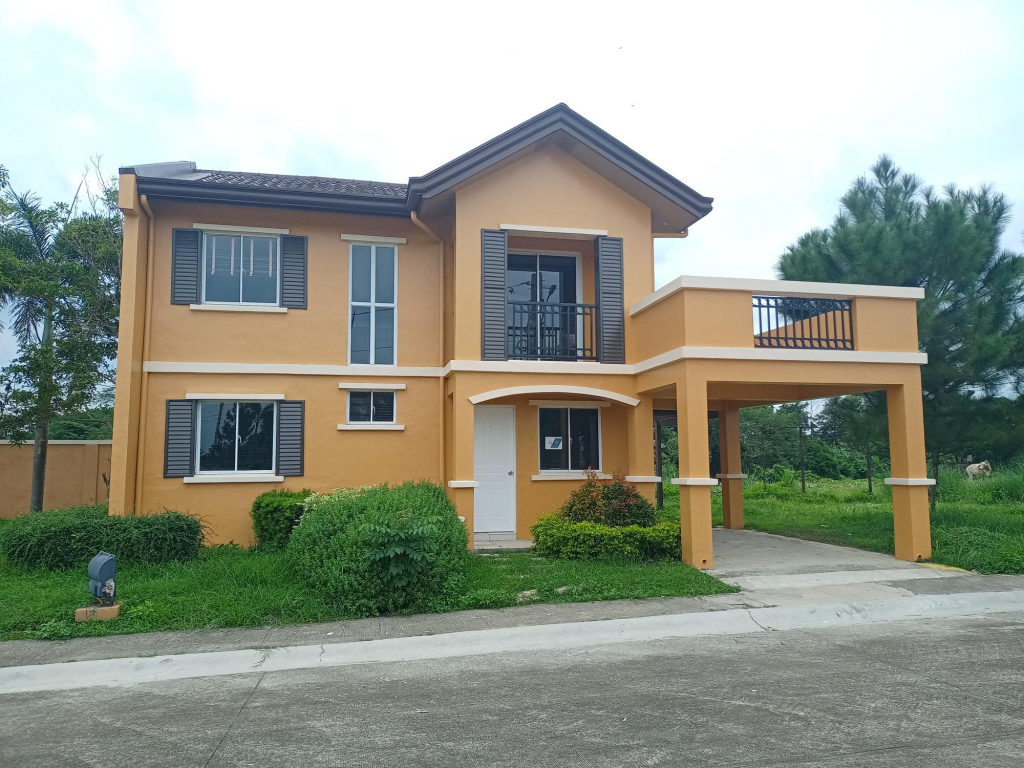
Homeownership removes all these restrictions and lets you do freely whatever you want in your property– landscape, paint, decorate, and upgrade your home’s curb appeal to your heart’s content!
Some people say you should start buying a house when you reach your 30s or 40s (when you already built significant wealth). There are claims that deciding to purchase a house in your 20s is a bit too early. But thing is, there’s no certain or perfect age when it comes to buying a house.
The real key here is being prepared for such milestone in your life–both mentally and financially. If you already have money for down payment plus a stable flow of income, then what’s stopping you from getting that dream home of yours?
Doing your research and understanding the risks of homeownership will put you in a position of success and reap amazing benefits. Plus, investing at an early age means your house will have a higher property values after a period of time. You’ll be patting yourself on the back for investing young!
A lot of Filipinos dream of owning their first apartment or house and lot. With today’s booming real estate opportunities, there are so many options to choose from.
Here at Vistaland International, we have a roster of affordable property listings from several locations across the country. Whether you’re looking for a place to live in Manila, Cebu, Davao and etc, we’ve got you covered. So contact our real estate agents today!


Vistaland International was primarily created to bring OFW closer to their dream of finally acquiring a home in the Philippines. And with the rising cost of living in the country, OFWs and their families are looking for ways to earn extra cash flow to support their daily needs. Luckily, you can also join the global network of Vistaland International as a real estate professional and earn a commission!

Vistaland International Marketing, Inc. (VIMI) is the international marketing division of Vista Land. Aiming to provide OFWs and migrant Filipinos a home in the Philippines, VIMI has established long-lasting relationships with brokers and clients around the world.
Get started with your property investments! Contact us today and follow our social media accounts: Facebook, YouTube, Twitter, Instagram, and LinkedIn.
They say that living in the capital of the Philippines is considered a lucky strike being the center of commerce and trade because of the many jobs you can choose from, making the cities that comprise the capital ‘golden tickets’ to achieve the Philippine Dream. However, lots of people are forced to live in small and uncomfortable places around the metro from different provinces to achieve that Philippine Dream of theirs, causing lack of space and land area.
Since everything happens around them so quickly, their definition of ‘home’ simply means to store their things, to sleep through the night, and to go get ready for the next day, and that’s where condo living became popular because of its strategic location in the business districts where it’s near to schools and offices so that they can get to anywhere they want to go in a snap.
Well, here’s the thing: We’re going to give you a refresher about what a home truly is! We’re going to sell you the idea of townhouse living to escape the hustle and bustle you normally experience in the metro to let you come back into the comforts of your haven and not to “just be in a hurry.”
So if you want to know what it’s like to be living in a townhouse, then keep on reading!

A townhouse is just a combination of single detached houses and condominiums into one place with multiple floors! Most townhouse communities and subdivisions are far from the city center and would require you additional hours of commuting (or driving your car) to get to anywhere you want to be.
While this is true, a townhouse has the combo of the convenience of a condominium and a homey vibe to an ordinary single detached house. We guess it’s because people want to feel that they’re home and accessible to all the places they want to go at the same time. Plus, there’s a lot of space to go around and make use of compared to a tiny shoebox apartment that you have to get by.
With that, we’re going to give you a bunch of reasons why living in a townhouse can be the best thing that will happen (and the best place to live in)!
Yes, townhouses have courtyards, but hear us out when we say it’s not that big and you don’t need to have it maintained all the time. Most townhouse communities take care of these things like landscaping, meaning you don’t need to exert effort for your exterior maintenance to look that beautiful because the townhomes’ association will take care of it for you! Plus, if single detached houses have swimming pools that need to be taken care of every now and then, there are community amenities that you may use, and the community pool is one of them! In short, you can swim anytime you like without breaking a sweat!
Another reason why you should live in a townhouse is because you can keep pets and hold parties for the people you love (plus, most townhouse owners don’t need to pay for massive maintenance fees)!

Like what we said earlier, there are various community amenities that you can use (and are perfect for young families too)! You can head to the community swimming pool if you’re going to melt on a hot day, the community fitness center if you want to be fit without being too far, the playground for your children to play, the clubhouse, pet parks, tennis courts, BBQ pits, and even car washing stations. The best part is that the Homeowner’s Association will take care of the maintenance and upkeep, so you can use these amenities anytime!
But wait, it doesn’t stop from there. Trash duty, pest control, and HVAC inspections also come with the deal. You do have to pay for these fees, but we’re sure it’s worth every cent you’re paying considering the amenities plus the lovely home you’re living in.
If you believe that it isn’t a good investment, it’s actually more affordable and practical compared to single family homes and condominiums. In fact, they are more affordable than a single family home simply because you don’t need to pay a hefty amount of property taxes. Townhouse owners pay lower property taxes as well as homeowner’s association fees compared to the ones in standalone homes and condominiums due to a smaller lot size.
So in short, it’s like you’re living in a single family home because you own the house and the lot (that’s why it’s called house and lot for a reason) and if you’re owning one and planning to sell it, the selling process is just the same on your own or with the help of a realtor. You just need to follow the HOA rules, and you’re all good!
We can’t emphasize enough that location is everything when anyone hunts down for a new home to rent, own, or invest, and townhouses check that box too! Living in some townhome communities can mean that you’re a walking distance to some schools and parks as well as some vibrant establishments that are accessible to convenient locations such as restaurants, malls, salons, and many more! In a way, it makes townhouses an ideal place to live in — whether you’re a young family starting your own lives or just a bunch of friends who want to live with each other with everything at the convenience of their homes!
When you live in a townhouse community, your townhouse security gate (along with its security guards) should be your best friends when it comes to added security. While not all townhomes come with a security gate, if you’re looking for a townhouse with one, then you should look for a subdivision or a townhome community that has a security gate.
Additionally, you shouldn’t worry about walking the streets at night as townhouse residents and neighbors close to where you’re living are also on the lookout as well as street lamps that are well lit, and this kind of protectiveness is on a whole another level of reassurance. After all, security shouldn’t be too much to ask and it is a need.
A lot of townhome owners form many townhouse communities in person and online! There are various townhouse communities that you can find on Facebook groups that let you get to know who lives within the community, get food and other things that are near to each other (especially during the pandemic because there are many small businesses nowadays), and interact with each other. In short, you get to feel the homeowners association (and you know all of the people who live in your community)!
In addition, you can also get to know your neighbors who live close by! If you need help with anything, they’re there to help you out!
Unlike condo owners who have to follow the rules 24/7 and follow a standard, living in a townhouse simply means that you get to live your life the way you want to (as long as you don’t harm the other neighbors and don’t make too much noise until the wee hours in the morning).
Living that townhouse living simply means that you can be loud or quiet as you want in a community where you feel safe! After all, a safe community shouldn’t be strict in the way you want to live your life (and it should be enjoyable), so you should build a peaceful and conducive life in the suburbs!
If you’re a senior citizen or a retiree and you’re planning to live in a townhouse community, then its quiet, serene, and peaceful vibe will get under your skin! Plus, the HOA communities would make your stay even homier than usual with social events that are fun and will provide you the opportunity to make some friends in this crucial stage in life. Additionally, you should search for a townhome community with a senior community so that they’ll feel less homesick and more engaged with other old people out there.
Compared to single family homes and other detached homes, living in a townhouse is perfect for family living or to live with a bunch of friends, no matter what the situation. You can access other amenities with sizeable yard space for you to move around, especially those located in urban centers.
These conventional homes have not only shared walls, but it also requires less maintenance and new friends at a lower price! Additionally, owning a townhouse is easier compared to the other housing options that are there with monthly HOA fees and a conducive community HOA, especially for growing families.
So if you’re living in a single family house and you want to settle on a more serene and tranquil place to live in, then a townhouse is the one for you! Nothing says peaceful living with a townhouse community, right?
A lot of Filipinos dream of owning their first apartment or house and lot. With today’s booming real estate opportunities, there are so many options to choose from.
Here at Vistaland International, we have a roster of affordable property listings from several locations across the country. Whether you’re looking for a place to live in Manila, Cebu, Davao and etc, we’ve got you covered. So contact our real estate agents today!


Vistaland International was primarily created to bring OFW closer to their dream of finally acquiring a home in the Philippines. And with the rising cost of living in the country, OFWs and their families are looking for ways to earn extra cash flow to support their daily needs. Luckily, you can also join the global network of Vistaland International as a real estate professional and earn a commission!

Vistaland International Marketing, Inc. (VIMI) is the international marketing division of Vista Land. Aiming to provide OFWs and migrant Filipinos a home in the Philippines, VIMI has established long-lasting relationships with brokers and clients around the world.
Get started with your property investments! Contact us today and follow our social media accounts: Facebook, YouTube, Twitter, Instagram, and LinkedIn.
Owning a dog (or any kind of pet) is a privilege for an apartment or a condo owner to have as they make great companions whether you live alone or with other people such as your family and friends. They heighten your mental health and brighten up your atmosphere even more, especially during the pandemic because they are fun to be with. Plus you get to meet people who are dog lovers!
If your place is pet friendly and you’re a dog lover, then here are some of the best dogs for condo living as well as some of the best apartment dogs for you to consider according to the American Kennel Club to make your apartment or condo living more fun (and a reason to go to the dog park)!

Whether you’re getting a Yorkshire Terrier, a Biewer Terrier, a Boston Terrier, a Toy Fox Terrier, a Manchester Terrier, a Silky Terrier, or an American Hairless Terrier, almost all terriers are great apartment dogs for apartment living. They’re small and mild puppies that are easy to love and with a happy – go – lucky vibe, making your apartment life great with its cute and companionable nature. Some terriers are terrific watch dogs and need long walks in order for them to socialize and to be trained while others just enjoy the comforts of indoors!
Pugs gain instant popularity as they’re often shown in apartment advertisements. Their cute little mug faces will gain you instant popularity in your social life with the neighbors and in theirs along with their gregarious personality, making it the perfect apartment dog. Although they aren’t physically fast as they have short legs, they are socially active while hanging out with other dogs at the dog park or at an event specially for dogs.
They may be large and one of the oldest purebred dogs all the way from Ancient Egypt, this great apartment dog has proved itself to be welcomed in all living fixtures and they can be great roomies because they don’t need a lot of exercise and they are calm, friendly, and quiet. These are mellow house dogs, so you might want to consider in getting one if you want a laid – back type of dog.

Often mistaken as a poodle for its puffy appearance, the Bichon Frise is the best dog for those who are allergic to fur as they don’t shed much. These puffy marshmallows are small and lightweight for you to carry if they get tired of socializing (or need to do a quick errand) and they are also smart for them to pick up things quickly!
The only thing for you to consider is their high maintenance grooming, so you need the patience to make them look cute (and handsome for boys). Other than that, they make good apartment dogs, even for a small apartment!
If you’re looking for an Asian version of the Bichon Frise, try having a Chinese Crested dog. It’s hairless and it only has hair at the tuft of their ears, making it easier for you to blend into the apartment life.
This friendly small dog can be a great companion if you’re looking for a companion dog that is family friendly (especially with kids around). These can endure a lazy day as it can manage a long walk once a day. But you’ll have to consider when they drool and their heavy legs — a good thing to think about if you have stairs. But overall, these are your ultimate apartment dwellers if you want a laid back dog.

French Bulldogs make the best apartment dogs if you really want a lazy dog in a small apartment complex. Whether you’re getting an English Bulldog or a Frenchie, these only need small spaces for them to rest and to move around and they are also quiet and low maintenance. Owners of bulldogs have to be consistent in training them because they’ll be bored and they have cat like tendencies, so you have to keep them active if you want them to be energetic and fun.
Shih Tzus are the best dogs for apartments because they are happy indoors as they have kept emperors and empresses company during the Ming Dynasty. Aside from its affectionate nature, they’re friendly dogs who will make your social life interesting — especially with kids around! They have short muzzles, so you don’t need to worry about the furniture and carpet chewables because they don’t mess them up so easily. And plus, they’re incredible in a small space, so you’ll have an outgoing and laid back fella into one!

While the name’s a mouthful for this pint sized cutie, don’t let its name, long hair, and high maintenance nature fool you as these dogs don’t need a lot of space for it to enjoy the place. They are low maintenance dogs who are loyal to their owners and they are a toy breed who are great show dogs. That way, you have a loyal companion to cherish and a show dog who can bag some medals for you!
Unlike other pets who are small, these gentle giants may not only give your visitors a pleasant surprise and they are calm because they won’t knock your stuff over. Great Danes may take up a lot of space like your couch, but you don’t need to complain when you leave dirty towels or dishes in the sink. Plus they’re low maintenance, meaning they don’t need that much grooming and exercise because they’re a large dog with short – hair.

This kind of dog can appear harmless, friendly, and outgoing, but they are wonderful watch dogs if you’re cautious of strangers. All you need to do is to give it lots of exercise, socialization, equal food intake, and some quiet training to prevent angry neighbors and sketchy strangers to get into your small apartment (especially for robbers and kidnappers).
This is also called a “velcro dog” because it tends to stick to its owner and they are bred to be loyal companions as they are happy to be with you. They are a hundred percent affectionate to strangers, kids, and other dogs as well, making it perfect for small apartments, so it’s better for you to have company over if you’re planning to have this kind of dog.

With their high energy, these dogs have great people skills for those who are extroverts, thus making it a great four legged friend. You need to be careful not to overtreat or undertrain them because these can make them think they’re the alpha, but with adequate grooming, daily walks, socialization, and care, these can be great companions and they rarely bark.
Dogs are wonderful pets to keep, whether you’re getting some Toy Fox Terriers, an American Eskimo Dog, a Miniature Pinscher, a Shiba Inu, or any dog breed that you may think of (or the ones we’ve listed here for you). These loyal companions make great apartment dwellers (yes, even the smallest dog breeds) because they boost your social status around dog and pet lovers alike as well as your mental health and your overall condo and apartment living.
Nonetheless, a dog is a man’s best friend, and these four legged friends are your best deal! We can’t tell you which one is the best dog, but all dogs are the best! Just make sure they’re not in extreme temperatures for long periods of time so that they’ll live longer than you think!
So don’t wait around. Go get a dog to boost yourself and social status! You may never know that you may have a loyal companion for life.
A lot of Filipinos dream of owning their first apartment or house and lot. With today’s booming real estate opportunities, there are so many options to choose from.
Here at Vistaland International, we have a roster of affordable property listings from several locations across the country. Whether you’re looking for a place to live in Manila, Cebu, Davao and etc, we’ve got you covered. So contact our real estate agents today!


Vistaland International was primarily created to bring OFW closer to their dream of finally acquiring a home in the Philippines. And with the rising cost of living in the country, OFWs and their families are looking for ways to earn extra cash flow to support their daily needs. Luckily, you can also join the global network of Vistaland International as a real estate professional and earn a commission!

Vistaland International Marketing, Inc. (VIMI) is the international marketing division of Vista Land. Aiming to provide OFWs and migrant Filipinos a home in the Philippines, VIMI has established long-lasting relationships with brokers and clients around the world.
Get started with your property investments! Contact us today and follow our social media accounts: Facebook, YouTube, Twitter, Instagram, and LinkedIn.
This June 12, 2022 marks the Philippines 124th independence day, and as we continue to commemorate this vital part of our nation’s history, let’s take a trip down the memory lane and relive our heroes’ brave effort in achieving that freedom that we all enjoy in the present day.
A national flag is one important symbol of every country, and for the Filipinos, the Philippine flag is an everyday reminder of our fallen heroes’ relentless quest to achieve freedom after being under Spanish rule for over 300 years.
On March 6, 1965, President Diosdado Macapagal officially declared May 28th as the National Flag Day, a way to honor our country’s pride and symbol. Furthermore, an Executive Order No. 79 was issued on May 23, 1994, prolonging the observance from May 28th to June 12th. During this period, “All Filipinos are encouraged to display the Philippine flag in all offices, agencies and instruments of government, business establishments, schools, and private homes throughout this period.”

Between the 16th and 19th century, the Philippine Islands were under Spanish rule– their influence was so strong that until now, we carry a lot of their beliefs, practices, and traditions. However, the oppression Filipinos experienced under Spanish rule is what sparked them to revolt against the tyrant government and fight for our country’s independence, resulting in the Philippine Revolution led by General Emilio Aguinaldo in 1896.
However, the road to get there is not an easy one.
In April 1898, the Spanish American War broke due to America’s support to Cubans’ and Filipinos’ attempt to break free from the Spanish claws. Fortunately, the US was able to defeat the Spanish forces, prompting them to acquire territories in Latin America and Western Pacific.
Moreover, the following May the same year, the United States again defeated the Spanish colonizers during the battle in Manila Bay– just one of their strings of victories against Spain. During that time, Aguinaldo, who was exiled in Hong Kong, made agreements with the US for his return to the country to help overturn Spain.
Spain surrendered in the American War, handing the US full control over the Philippines and so we were colonized by the Americans in the next 50 years. The Philippines gained independence on June 12th, 1898, with Aguinaldo proudly waving the flag on his balcony while the Philippines’ national anthem was first played and heard.
The US planned the country to be like Hawaii, but then later granted its full independence on July 4th 1946 through the Treaty of Manila.
For some, independence day might be just another national holiday but, for many Filipino communities, it is more than just having a day off work or school. Celebrating and commemorating independence day is a great way to remind ourselves of the many Filipinos who fought and sacrificed their lives so that we can have the freedom that we enjoy right now. The real independence day lies in us preserving such rights, even and especially during the modern times. The Spanish colonizers are long gone now, but this shouldn’t mean that we should be relaxed in watching over our sovereignty.
A lot of Filipinos dream of owning their first apartment or house and lot. With today’s booming real estate opportunities, there are so many options to choose from.
Here at Vistaland International, we have a roster of affordable property listings from several locations across the country. Whether you’re looking for a place to live in Manila, Cebu, Davao and etc, we’ve got you covered. So contact our real estate agents today!


Vistaland International was primarily created to bring OFW closer to their dream of finally acquiring a home in the Philippines. And with the rising cost of living in the country, OFWs and their families are looking for ways to earn extra cash flow to support their daily needs. Luckily, you can also join the global network of Vistaland International as a real estate professional and earn a commission!

Vistaland International Marketing, Inc. (VIMI) is the international marketing division of Vista Land. Aiming to provide OFWs and migrant Filipinos a home in the Philippines, VIMI has established long-lasting relationships with brokers and clients around the world.
Get started with your property investments! Contact us today and follow our social media accounts: Facebook, YouTube, Twitter, Instagram, and LinkedIn.
Let’s face it: You’re excited to get out of your old life and into the new one, and turning over a new leaf has never been this exciting. But it’ll be hard if you don’t know where to start, and a lot of people tell a lot of horror stories about moving out from humiliating complaints from the new owners to rushing everything all at once for your move in date.
Moving into a new house can be quite difficult at first (especially if you’re moving to a central location), but with a house checklist on what you need to check and on what you need to accomplish before moving out of your old house, everything will go smoothly with your move (and your new life).
We know that the moving process can be a bit overwhelming, but we’ll give you a checklist of essentials that you need to take care of and a few tricks on what you need to do before you can call the moving company and relocate all your things so that your move out isn’t messy. After all, you don’t want to tell another horror move in story.

You need to transfer your utilities such as water, electricity, and gas. It depends on where you’ll relocate, you have to take note on the water meter and where to put the water valve in your new address so that you’ll know how much to spend water in your new location and because you may not have a say on what company works for you. You need to notify your move in date ahead of time so that they’ll activate these utilities for you on the day itself (especially when you’re working with lots of accounts during moving season).
Dead zones are a major bummer, so you need to do the work by researching service providers that suit your needs. Compare prices, cable and internet providers for your new address and schedule an installation appointment at least 2 – 3 weeks to make sure these are activated for you in a timely manner and to also get an appointment date and time that are the most convenient for you.
This is the most tedious part as we’re talking about medical records, your driver’s license, your birth certificate, passport, social security cards, insurance policies, as well as your documents for your local businesses, and anything that you need when moving out. If you have documents that you don’t need, go get that shredder and do the shredding work because you don’t need anymore dust in your new place and life is too short to bring anything unneeded for your move out.
Taking pictures of your valuables will serve as proof of the original condition just in case they get damaged while moving out, especially if these things are sentimental to you such as your grandmother’s antique mirror, TV and computer equipment, vases, and so much more that are considered precious to you.
If you’ve read one of our articles about this one, you’d know that moving out means that you wouldn’t carry all the things that you need and want with you during your move. So you need to set a Trash Day and get a couple of trash bags for the things that you want to throw away 9especially with dangerous items that you don’t need) and boxes for the things you want to donate and sell for some extra cash and for you to stay organized while packing.
As a semi – previous owner of your previous home, it’s your responsibility to do an overhaul home maintenance on what needs to be fixed for a stress free move out. Most previous owners tend to make this mistake because they think that the new owners won’t notice them, but they do. So get your cleaning supplies and make some time to deep clean your house and make a few home improvements so that there won’t be any safety concerns and to make a few changes when people decide to eye for your place.
Now that you’ve thrown away, donated, and sold the things you don’t need and want, you need to color code and label your boxes as soon as you start packing the things that you need and want for your new space. You must also have things such as a fresh air mattress, toothbrush, toiletries, a fresh set of clothes, snacks, extra cash, extension cords, cleaning supplies, and many others in an open – first box for your first night at your new place. Trust us when we say that you need to complete your new home checklist with this so that it should be separated from the boxes you’ll be giving to your moving company and so that you’ll survive for the first 24 hours in your new home.

Before you really move in to your new home, you need to check out the place as an empty shell so that you can visualize on what furniture and things to place to make the most out of the place you’re moving into. You can bring a measuring tape for more accurate dimensions so that you’ll know what furniture and belongings to place and it saves the hassle of unloading so that you’d already know where it belongs. Check on agreed upon repairs such as light switches and light bulbs as well as appliances that were supposed to be left out, working order of outlets, etc. If there are any home improvements that you need to bring up, it’s better for you to bring them out sooner so that they can be agreed and fixed.
Moving to a new home means moving to a new neighborhood, so you need to get to know your new neighbors so that you can not only ask them to help you in unpacking (along with your friends and family), but you can also have easy access to them whenever you need help with something and so that you have connections in getting to know the community you’re in.
Now that you’ve got your basic utilities, cable, phone connection, and Wi-Fi up to date and ready on your move in date, all you need to do is to set those up and you’re good to go! Some subscription services need to be cancelled on one location before moving onto the next, so you need to take care of those before moving out while some companies allow you to transfer utilities to your current location. You need to set up these appointments so that it can happen as soon as you need it and you’ll be there to assist it if someone comes over to your new home.
Take notes of the location of the circuit breakers, fuse box, and the water valve so that you’ll have something to hold onto when emergencies arise. You should also take note of where to put smoke detectors and carbon monoxide detectors and test them if they’re working properly. Determine a fire exit if a fire or an earthquake occurs, and come up with an action plan if you moved into an area where natural disasters often happen.
Go to your local hardware store and change the old locks to new locks (especially if you’re living in the same room) so that prior residents and owners don’t have access to your new space. Forward your mail with your new address to the post house so that they don’t get shipped to your old house by mistake (this includes your bills, packages from online shops, letters, etc.). You need to make sure that you’re secured from the inside out as well as communication to flow seamlessly in your new home, so you need to do the extra work to make sure everything goes there.
Your new locks aren’t enough to make a complete list on your new home. You need to set up a home security system to feel safe and secure in your new home. Install a smart doorbell, motion detectors, security cameras, or the whole shebang. There are even tools to gauge the safety concerns of the neighborhood and help you decide on the appropriate action in securing your new house.
Moving to a new house can be thrilling as you’re motivated to do everything to get out of your old house and into a new one. Some people have a new house checklist so that they’ll know what to do before, during, and after moving into a new house. As a previous owner of your old haven, it’s also your responsibility to check everything that needs to be repaired and if it’s in tip top shape so that the ghosts of your new tenants won’t haunt you about the things that need to be taken care of and so that you can enjoy your new life! Dealing with this new house checklist on the essentials can be overwhelming and confusing at first, but it’ll get easier once you follow these to dos and your move out will go even more smoothly once you take care of unfinished businesses.
Moving out has never been fun and exciting, so go get that paper and pen (or your notes app on your phone), and get those things down to business so that they’re done in a snap!
I’m sure that organizing your closet seems like an impossible task, especially if you have small ones inside your house or condo. No matter how you put stuff here and there, all your clothes end up in a big pile of mess. Don’t worry, we can all relate to that, as it seems to be the problem of those who have to fit a lot of clothes inside a tiny closet.
Not everyone is blessed to have a wide and spacious walk in closet like those celebrities have as seen on TV and the internet. However, save that frown for a moment! The internet is filled with small closet ideas and clever ways to maximize your closet space, and we’ve compiled some of them to help you make small closets seem like an endless pit of storage!
Achieve that organized closet with these tiny closet organization ideas!
With the pandemic where people are forced to spend the majority of their time inside their abode, I’m certain that you’ve done a lot of spring cleaning and storage organizing– and that includes your closet as well! But sometimes, even though you’ve done a lot of folding and hanging, it seems like you can’t just fit everything inside your closet. Well, thing is, you don’t have to squeeze every article of clothing you have inside that space. Take a look at this list of organizing ideas and see which hack will fit yours!

A clothing rack is perfect for hanging clothes, especially if your tiny closet is already packed with all of your clothes. And since your wardrobe is out in the open, it will help you become more disciplined in organizing your stuff. Remember, no matter how big or small your closet is, the vertical space is a real game-changer!
Divide spaces to multiply storage spaces!
Instead of making a giant avalanche made of fabric inside your closet, separate and arrange them neatly inside your tiny closet using dividers or a closet organizer! Use trays for smaller pieces like socks, scarfs, and handkerchiefs while taking advantage of the vertical space by adding rods so that you can hang your office or school uniforms!
For bulky items like jackets and sweaters, you can use shelf dividers. The sides of shelf dividers help keep stacks of clothes intact so you don’t have to worry about them toppling over even if you pile them up high.

If your closet is low enough so as not to touch the ceiling, you can use the extra space above by adding wicker baskets and bins. This is an alternative storage for your bulky clothes and other everyday items. They are also the perfect hiding spots for unconventional items and to keep things you rarely use out of the spotlight.
Investing in shoe racks is the perfect solution to taking good care of your beloved footwear collection so you can use them for more trips and outdoor adventures!
There are various shoe racks available online which allow you to store up to 12 pairs in just three rows! Shoe racks eliminate the extra work of unstacking boxes just to get your favorite pair, especially if you’re in a hurry. You just need to pick your kicks and slip your feet!
Also, the way you stack your shoes helps maximize the little space you have. Instead of storing them side by side, it’s more space-saving if you stack them with each shoe facing the opposite direction. This way, you’ll have more room for more pairs!

Instead of putting jewelry and other accessories inside boxes (which then will also require some closet space), you can use a bit of your wall space to install knobs and rods so that you can hang accessories like necklaces, neckties, scarves, and belts. Not only that you eliminated any possible wasted space but also prevented some small items from getting lost in the sea of clothes.
When we say all existing space, yes, that also includes that back of your closet door! This can also provide a little extra storage for your purses, hats, and beanies! You can also buy an over-the-door shoe bag so you can easily grab your kicks while deciding on your outfit of the day.
This genius hack involves adding a rod on top of your bed for that instant hanging storage! This hack is perfect especially if you are running enough space to store some of your garments or accessories. Or, you can install small hooks on the edge of your shelves for an instant hanging space!
Seasons change, and so should the contents of your closet. If one of your garments is already fashionably outdated, broken beyond repair or you can’t remember the last time you wore it, then it’s time to terminate its stay inside your closet. Adapt that habit of giving away or donating out-of-season clothes to give room for the new addition to your collection. I’m sure your pre-loved clothes will find their new home with someone who genuinely appreciates your hand-me-downs.
An organized closet does more than just making your abode look orderly and spacey. Do you know that your orderly closet is also beneficial to your overall mental health? According to Rebecca Gitana Torres, owner of Healing Through The Home, as mentioned in Reader’s Digest, “Having what you need, when you need it, offers you comfort and support whereas a disorganized closet promotes confusion, uncertainty, and the stress of having to shop and spend when you probably already own what you can’t find. Getting organized is empowering for your mental and emotional wellness.”
So, if you’re feeling a bit out of proper headspace lately, why not try organizing and decluttering your closet for a breather. And, the next time you decide to arrange your clothes, incorporate these small closet organization ideas–for a healthier mind and a cleaner closet!
A lot of Filipinos dream of owning their first apartment or house and lot. With today’s booming real estate opportunities, there are so many options to choose from.
Here at Vistaland International, we have a roster of affordable property listings from several locations across the country. Whether you’re looking for a place to live in Manila, Cebu, Davao and etc, we’ve got you covered. So contact our real estate agents today!


Vistaland International was primarily created to bring OFW closer to their dream of finally acquiring a home in the Philippines. And with the rising cost of living in the country, OFWs and their families are looking for ways to earn extra cash flow to support their daily needs. Luckily, you can also join the global network of Vistaland International as a real estate professional and earn a commission!

Vistaland International Marketing, Inc. (VIMI) is the international marketing division of Vista Land. Aiming to provide OFWs and migrant Filipinos a home in the Philippines, VIMI has established long-lasting relationships with brokers and clients around the world.
Get started with your property investments! Contact us today and follow our social media accounts: Facebook, YouTube, Twitter, Instagram, and LinkedIn.
From April to September 2020, a total of 1.77 million Overseas Filipino Workers (OFWs) were deployed in over 100 countries around the globe, according to a report released by The Philippine Statistics Authority (PSA) last March 07, 2022. Majority of these OFWs and migrant Filipinos are women, comprising of about 59.6 percent (1.06 million) with the remaining 40.4 percent being male.
With this large number of Filipino citizens residing and working abroad, it is not surprising for them to find their long term partner overseas as well– in short, a foreign spouse. And, it’s also not very surprising for them to purchase a couple of residential properties or vacation houses and settle down on the beautiful islands of the Pearl of the Orient.
Which then leads us to this question, can a foreigner own a land in the Philippines?

As stipulated under Philippine laws, particularly in the 1987 Philippine Constitution, only Filipino citizens and corporations have the exclusive right to own land in the Philippines, with 60% percent of the capital being Filipino-owned.
To answer the question laid earlier, yes, foreigners are allowed to own properties in the Philippines, but cannot buy and own land.
Still, foreign nationals can own properties in the Philippines subject to the following conditions:
The Philippine laws are clear in setting boundaries and limitations for property and land ownership for alien nationals. However, there had been exemptions to the rule, especially if the foreign national is the direct heir of the said property.
According to Article XII, Section 7 of the Philippine Constitution, “Save in cases of hereditary succession, no private lands shall be transferred or conveyed except to individuals, corporations, or associations qualified to acquire or hold lands of the public domain.”
Under the Batas Pambansa 185, natural born Filipino citizens who have lost their Philippine citizenship can still acquire a maximum of one thousand (1,000) square meters of urban or one hectare of rural land for residential purposes.
Moreover, under the Philippine Republic Act 8179 or the Foreign Investments Act of 1991, former natural born Filipino citizens can still acquire five thousand (5,000) square meters of urban land or three hectares of rural land, which can be used for business and other purposes.
For married couple covered by this rule, one or both of them can still own a property in the Philippines, granted that the total area acquired do not exceed the maximum limit indicated.
Foreigners who married a Filipino citizen, are still allowed to buy a land, but he or she needs to register the property under his or her spouse’s name. His or her name could be included in the Deed of Sale, but not in the Transfer Certificate Title or TCT.

Foreigners can also opt for a domestic corporation– basically, they will establish a company and have it registered under Securities and Exchange Commission (SEC).
Once registered, the company may now purchase any type of real estate property, whether be it commercial, residential, or even condominium units and reap benefits and profit off it as being the part-owner of the said corporation. However, his combined stake is still subjected to the 40% limit rule. Filipinos still have the majority of ownership of the said corporation.
In the event that the corporation is dissolved, the foreigner is entitled to his share with the company, but still cannot gain ownership of the corporation-owned land. However, the land can be sold and its sale proceeds are divided among the owners, including the foreigners.
Under the Republic Act (RA) 4726 or the Condominium Act of the Philippines, non-Filipinos who want to purchase or own units of any condominium project in the Philippines can only claim 40% ownership of the property.
Meaning, they can only own the building, but not the land on which the building was built on. The land is actually owned by the Condominium Corporations and in the event of its termination which is usually after 50 years, alien nationals owning a unit in the said condominium project can either choose among the following options on how to disseminate the land:
The Philippines is among the top choices for retirement destinations and property investment options not only for locals but for foreign nationals as well. Stunning beaches with pristine waters, breathtaking sceneries especially on the countryside, friendly locals, and more importantly, lower costs of living– what’s not there to love about this archipelago of 7,000 islands?
Aside from the wonders of nature, man-made enhancements and improvements also entice foreigners to settle down in the country for good. One good example of such improvement is the Build! Build! Build! Program– the Duterte administration’s legacy and is said to be the most ambitious macro-infrastructure development, aiming to serve as the panacea to the country’s congested traffic roads and at the same time, provide jobs for thousands of Filipinos, and a way to recover from the COVID-19 pandemic.
So aside from having a Filipino spouse, foreigners have an ample amount of reasons to invest in a real estate property in the Philippines. Such improvements will engage more investors to purchase a commercial or residential land, not only within the urban cities but also in the suburbs, driving more economic activity and job opportunities outside the metropolis.
Looking for an affordable property? Contact us today
A lot of Filipinos dream of owning their first apartment or house and lot. With today’s booming real estate opportunities, there are so many options to choose from.
Here at Vistaland International, we have a roster of affordable property listings from several locations across the country. Whether you’re looking for a place to live in Manila, Cebu, Davao and etc, we’ve got you covered. So contact our real estate agents today!


Vistaland International was primarily created to bring OFW closer to their dream of finally acquiring a home in the Philippines. And with the rising cost of living in the country, OFWs and their families are looking for ways to earn extra cash flow to support their daily needs. Luckily, you can also join the global network of Vistaland International as a real estate professional and earn a commission!

Vistaland International Marketing, Inc. (VIMI) is the international marketing division of Vista Land. Aiming to provide OFWs and migrant Filipinos a home in the Philippines, VIMI has established long-lasting relationships with brokers and clients around the world.
Get started with your property investments! Contact us today and follow our social media accounts: Facebook, YouTube, Twitter, Instagram, and LinkedIn.
One of the crucial steps in the home selling process is hosting an open house. It’s an important step for real estate agents to cater not only for interested in purchasing a house but also to buyers who doesn’t have a booked appointment and for those who are living within the vicinity of the property they are selling.
Hosting an open house can feel very daunting and intimidating especially if you are a budding real estate agent. But don’t worry! Walk through this article and found out the secrets to hosting a successful open house!

First and foremost, you need to set up on the date on when you’re going to ‘open’ your client’s house for visitors and potential buyers. Discuss with the homeowner when is the best time to conduct the event.
It is very common to host open houses during weekends where most people are free and do not need to go to work. However, this doesn’t mean that you should limit your activity to just these two days.
Depending on your market or location, hosting open houses during weekdays or unconventional dates may have the possibility to attract more traffic to your client’s house. Plus, hosting an open house during weekdays and weekends will attract more and various types of buyers.
Thinking of hosting an open house during the holidays? Well, this might be a bit tricky for you. Opening your house for inspection during such occasions means that your clients might need to disrupt some of their holiday plans. However, if the property you are selling is a vacation home, then the holidays might be the best time to open those doors!
Of course, before you open the humble abode for the scrutiny of the public eye, you need to make sure it is presentable and likeable enough. This is where home stating comes into action.
Home staging is one important factor when hosting an open house event. Staging is when you arrange certain furniture, décor, and design to make it more appealing to your target market. It also includes making the interior palette neutral. Moreover, decluttering your home adds significance to your home’s overall curb appeal. Make sure that you’ve cleaned, dusted, and removed the trash before welcoming your house visitors.
But more than making it tidy and free from clutter, you want your prospective buyers to visualize themselves living in the space. Home staging creates a ‘blank canvass’ for your potential buyers so depersonalizing–such as removing family photos and other personal items is important, too. Once they get that ‘homey vibe’ inside your haven, then there are higher chances that they’d buy your property.
You need to do more than putting a ‘open house sign’ in your front lawn in order to attract more open house attendees.
To reach more audience in the real estate market, you practically need to announce that you are hosting an open house. And what’s a better way to do it? Utilize the power of technology and social media!
You can start by posting in various real estate listing sites and multiple listing service. Garner potential buyers using social media. By putting in the right keywords in your Facebook, Instagram, or Twitter caption and post will generate a wider audience reach. And last but not the least, you can also send direct mail to your networks and database as basically everyone has their own email!
Do you know that by putting real estate photographs of the property you are selling online, you are basically creating a virtual open house for those who can’t make it to the actual viewing. Just make sure that they are high quality photos to attract potential buyers! Also, you don’t need to hire a professional photographer to capture the best of your home! Check out these real estate photography tips!
To reach more audience in the real estate market, you need to create marketing materials in advance. These materials include open house invitations, flyers, brochures, and even business cards! You may think that in this technological age, such marketing strategy is outdated, but other agents still use this traditional way to promote open houses!
You can find a lot of templates online which could help you draft and create your flyers easily. Just make sure to include all the important details about your home such as amenities, the surrounding neighborhood, property location as well as sample computations for the utility expenses, homeowner’s association fees, and property tax costs. And the most important of all, your name and contact details!

Now, the time has arrived to open your doors to your open house guests. You’ve already staged your home, decluttered the space, and prepared all the necessary marketing materials all waiting to be handed out. All you have to do is accommodate well your potential buyers (and probably nosy neighbors) so that your open house events will make a lasting impression!
Whether you are a new real estate agent or have been working in the real estate business for years, it is your primary duty to accommodate every potential buyer walking inside the space of the property you are selling.
Make this open house event an opportunity not only to highlight the best features of the house you are selling, but also build your network and create more lead generation as an agent. You might be working with one of these potential buyers again someday so treat each and every one of them with the best intentions. Be attentive to their questions and it’s best to put your phone away so you won’t have any distractions.
Kindly ask your visitors to write on the sign in sheet to be able to record their information, including their contact numbers. Or, you can also hand out your business card after establishing rapport with them. Giving out business cards immediately during introductions might give them the impression that you are only after the sales and building network and not providing them the best property for their need.
You may also want to record your visitors’ comments and queries and list down all the common points these feedback have such as prices a bit too high or unclear property lines. If your client is wondering why the house isn’t selling fast then you can bring these feedbacks to his attention and discuss how you will adjust your marketing strategy.

Your open house started with a sparkly clean nook and cranny so it should wrap up with things cleaned up as well. Take one more trip around the house and scoop up any trash left. Make sure to collect any marketing material you have used as well as any decorative piece that you’ve added. You will look professional to your client when they see that their home is well-taken care of during the course of the open house event.
Now, that you’ve tidied things up, it’s time to update the sellers aka the homeowners about the progress of your open house. Discuss the buyers’ feedback and other notes for improvements. But most of all, tell the homeowners about those who showed interest in buying the property and your plans of keeping in touch with them for a follow-up.
In sending follow-ups, make sure to reach out to every visitor as soon as possible. Tell them it was nice meeting them at the open house and you can answer questions if they have any. Don’t worry if they don’t mail back to your right away or didn’t answer at all; the thought that you care about their feedback about the home selling and buying process will give a lasting impression.
Hosting a real estate open house means so much more than putting up a ‘For Sale’ sign in front of the property you are selling. Being able to showcase the reasons why they should purchase the property and at the same time building your career as a real estate agent require a combination of talent and skill. Engaging yourself will help you build your ‘people’ and negotiating skills– something that’s really crucial for real estate professionals.
All the difference between a good seller and an excellent one lies in how they treat each and every home seller and home buyer. So, if you’re eyeing for a successful career in real estate, then put in your pockets these best open house tips!
A lot of Filipinos dream of owning their first apartment or house and lot. With today’s booming real estate opportunities, there are so many options to choose from.
Here at Vistaland International, we have a roster of affordable property listings from several locations across the country. Whether you’re looking for a place to live in Manila, Cebu, Davao and etc, we’ve got you covered. So contact our real estate agents today!


Vistaland International was primarily created to bring OFW closer to their dream of finally acquiring a home in the Philippines. And with the rising cost of living in the country, OFWs and their families are looking for ways to earn extra cash flow to support their daily needs. Luckily, you can also join the global network of Vistaland International as a real estate professional and earn a commission!

Vistaland International Marketing, Inc. (VIMI) is the international marketing division of Vista Land. Aiming to provide OFWs and migrant Filipinos a home in the Philippines, VIMI has established long-lasting relationships with brokers and clients around the world.
Get started with your property investments! Contact us today and follow our social media accounts: Facebook, YouTube, Twitter, Instagram, and LinkedIn.
If you’ve been following us for a long time (or if you’re a new reader and want to know how to buy a place for the first time), you’d probably know that we provide articles that are straightforward, detailed, and easy at the same time when it comes to real estate. You probably searched “how to buy a house” or “buying a house in the Philippines” a few times, but you get overwhelmed and frustrated about the home buying process being not explained to you properly or vaguely, and trust us when we say we feel you.
Whether it’s your first time in buying a house in the Philippines or just need a refresher about it, we’ve got your back as we walk you through on how you should buy a house (or any property) in the Philippines!
The first thing that you need to consider is researching the property that you need. Do you want to live on your own or with your family members? Is it going to be a vacation house, a business, or an investment? You need to answer these questions by yourself and researching on what kind of property you need. You also need to answer the crucial questions such as the location, how many rooms you need, and other specifications like a garage, balcony, or a lawn. You need to write these down so that you’d know if you’re okay in settling with a condo unit, apartment, townhouse, or a house and lot.

Now that you know what you want, you need to find a property that you think has a good property value, good location, good selling price, and many more. There are many properties for you to choose from, you just might find an affordable house for you along the way!
Take note that if you’re interested in old houses, be sure that you should ask a lot of questions about its ownership so that you won’t end up in a haunted house and so that you know what you’re signing up for.
You should be able to find a property easily online now that social media marketing is a powerful tool in finding tenants and renters. You should start with social media and then broaden your search on Google (or on any search engine) so that you would have a wide range of ideas on which property you’re hunting for.
With the property prices being volatile, it’s important for you to prepare your gross monthly income to pay the reservation fee of the place as well as the down payment of the purchase price. If you’re up for a mortgage loan, you should also be prepared for bank loans for your housing loan as the average price of a normal house and lot is around P1M – P10M in an urban land like Quezon City plus other fees, so you need to consider other properties first before actually placing your bet on the one you’ve been eyeing for, especially when you’re planning to settle in one of the major cities around the Philippines. You also need to settle on real estate properties that have flexible payment methods and schemes so that you can get the most of your house (or property) while having at least two or three jobs along with passive income hustles on the side.
Watch out for real estate properties with good interest rates so that you won’t be jumped on a wasted property with a high interest rate (trust us — it’s better to be cautious and oriented, especially with numbers)!

Real estate agents know the real estate industry at the back of their hands from the real estate property you’re getting to the registration process so that you would be getting it at a fair market value. Find a real estate agent who is knowledgeable with the property you’re getting along with the home buying process so that everything will go smoothly on that half and so that you’ll get your dream home faster.
If you have read our article on how to sell a home, this is one of the steps that was mentioned earlier in that article as the real estate broker is the ‘middle man’ between you and the seller and you also need that person in conducting some home inspections if there are problems in terms of interior, exterior, plumbing, ventilation, flooring and walls, electrical system, and many others so that it could be addressed immediately and it could be attended and fixed so that when there are second (or third or fourth) inspections, the place would be in great shape (or if you’re buying a new house and everything is okay, then you can have it repainted if you want so that it looks brand new).
Aside from your real estate transaction such as the property you’re buying and the down payment of the total contract price, the buyer also needs to pay the reservation fee, documentary stamp tax, real estate tax, capital gains tax, local transfer tax, transaction costs, and the notary fee to the Bureau of Internal Revenue along with the maintenance fees (if you’re fixing up the place), monthly amortization, and other monthly expenses that you need to settle such as a mortgage loan, housing loan, and bank loans (after you bought the place). We know it’s a lot, but when you settle the first few things to pay, you would be able to settle those last three big payments while enjoying the place that you’re moving in.
We’re almost there in owning your place! All you need are these important documents in order for you to secure your property ownership:
These are hard to get, but when you have these documents, you are a step closer to owning your dream house!
Once you’ve paid all of the other fees and gotten the legal documents, all you need to do is to secure your property ownership so that you can close your property registration already. Once the seller accepts everything from you, the deal is sealed in an envelope and closed! You have now your dream house for you to enjoy!
Buying a house in the Philippines (or any property such as condominium units and a commercial space) after working in another country can be fulfilling once you master the home buying process (including in the registering property process) with your hard earned money in the right places. It can be overwhelming at first because of how long it can take (especially with the first two steps), but as you go along with the process, everything becomes easier with real estate properties that fall into the market value under established developers and the property that you can consider as your dream haven. Whether you want to fly into a rural land such as Cebu City and Davao City or move into one of the major cities, a home should be enjoyed when you choose the right property that you think you can live and make the most out of.
So stop waiting and buy your dream home now in the Philippines!
Your journey towards owning your house or condominium starts here!
Click on the button on the right and start browsing our properties!